


Apply ethical business practices and sound systems of corporate governance and transparency to support sustainable development.
Principle 06: Environmental Performance
ICMM company members commit to pursue continual improvement in environmental performance issues, such as water stewardship, energy use and climate change.
Industry has a responsibility to be proactive in contributing practical solutions to the significant environmental challenges facing society. ICMM members adopt practices and approaches that support continuous improvement in environmental performance to manage the adverse impacts of operations and deliver sustainable benefits for people and the planet.
Performance Expectations
Developed with extensive input from non-governmental organisations (NGOs), international organisations and academics, our Mining Principles establish baseline performance expectations for a responsible mining and metals industry. ICMM's Mining Principles include five Performance Expectations under Principle 6: Environmental Performance.
-
6.1 – Plan for Closure
Plan and design for closure in consultation with relevant authorities and stakeholders, implement measures to address closure-related environmental and social aspects, and make financial provision to enable agreed closure and post-closure commitments to be realised.
-
6.2 – Implement Water Stewardship Practices
Implement water stewardship practices that provide for strong and transparent water governance, effective and efficient management of water at operations, and collaboration with stakeholders at a catchment level to achieve responsible and sustainable water use.
-
6.4 – Prevent Pollution and Manage Releases and Waste
Apply the mitigation hierarchy to prevent pollution, manage releases and waste, and address potential impacts on human health and the environment.
-
6.5 – Improve Energy Efficiency and Reduce GHG Emissions
Implement measures to improve energy efficiency and contribute to a low-carbon future, and report the outcomes based on internationally recognised protocols for measuring CO2 equivalent (GHG) emissions.
The ICMM Mining Principles



Principle 02: Decision Making
Integrate sustainable development in corporate strategy and decision-making processes.

Principle 03: Human Rights
Respect human rights and the interests, cultures, customs, and values of workers and communities affected by our activities.
Principle 04: Risk Management
Implement effective risk-management strategies and systems based on sound science, and which account for stakeholder perceptions of risk.

Principle 05: Health and Safety
Pursue continual improvement in physical and psychological health and safety performance with the ultimate goal of zero harm.

Principle 06: Environmental Performance
Pursue continual improvement in environmental performance issues, such as water stewardship, energy use, and climate change.

Principle 07: Conservation of Biodiversity
Contribute to the conservation of biodiversity and integrated approaches to land-use planning.

Principle 08: Responsible Production
Facilitate and support the knowledge-base and systems for responsible design, use, re-use, recycling, and disposal of products containing metals and minerals.

Principle 09: Social Performance
Pursue continual improvement in social performance and contribute to the social, economic, and institutional development of host countries and communities.

Principle 10: Stakeholder Engagement
Proactively engage key stakeholders on sustainable development challenges and opportunities in an open and transparent manner, effectively report and independently verify progress and performance.

Position Statement: Indigenous Peoples
Building positive relationships between mining companies and Indigenous Peoples through respect, meaningful engagement and mutual benefit.

Position Statement: Nature
Nature loss is a critical global challenge, placing the survival, health, wellbeing, and livelihoods of people, ecosystems, and our global economy at significant risk.
Position Statement: Diversity, Equity, and Inclusion
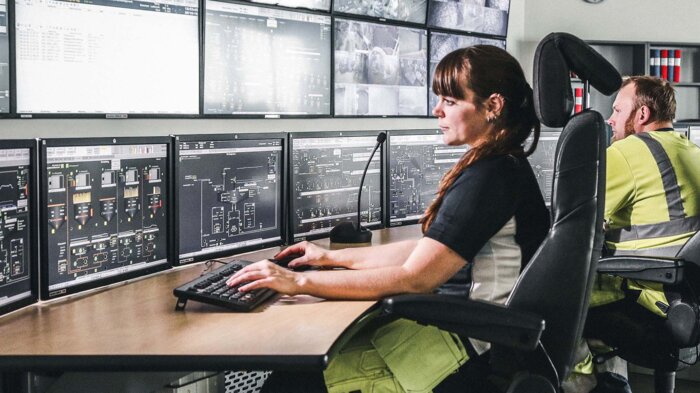
This Position Statement sets out ICMM Members’ collective commitment to improving diversity, equity, and inclusion in the industry and positively influencing the communities that we are a part of.
Position Statement: Transparency of Mineral Revenues
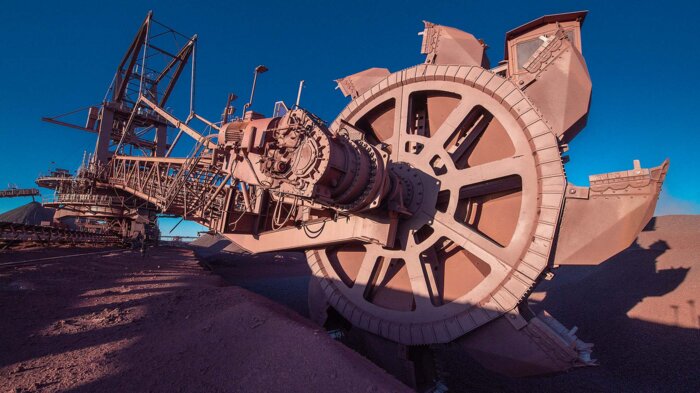
Promoting revenue transparency to enhance governance, combat corruption, and foster sustainable growth.

Position Statement: Climate Change
Responding to the need for an urgent global response to the threat of climate change, across all areas of society and the economy.

Position Statement: Water Stewardship
Promoting the use of water in ways that are socially equitable, environmentally sustainable, and economically beneficial.

Position Statement: Tailings Governance Framework
Enhancing focus on the key governance elements necessary for maintaining the integrity of tailings storage facilities (TSFs).

Position Statement: Mining Partnerships for Development
Ensuring that investments made in developing mineral resources enhance social and economic development locally and nationally.

Position Statement: Mercury Risk Management
Promoting the responsible management of mercury down the value chain.
Assurance and validation
Combining clearly articulated performance expectations with robust site-level validation.


Supporting global goals
As momentum behind the UN Sustainable Development Goals (SDGs) continues to grow, there is mounting pressure on the private sector to support the delivery of a wide variety of development objectives. ICMM’s Mining Principles can support the mining and metals industry in addressing climate change, ending poverty and tackling rising inequalities.
Each SDG connects with or can be directly influenced by ICMM’s Mining Principles. Unlike many other sectors, there is no primary point of connection between mining and a single SDG. Instead, operations have the extraordinary potential to contribute to several goals at once. The contribution mining products to almost every aspect of life is arguably becoming more important than ever – with metals and minerals enabling the innovations needed to deliver pathways to a greener, safer and more sustainable future.
Notes
1. As of 5 August 2020, all ICMM members committed to implement the Global Industry Standard on Tailings Management (GISTM). All tailings facilities operated by members with “Extreme” or “Very high” potential consequences will be in conformance with the Standard by 5 August 2023. All other tailings facilities operated by members not in a state of safe closure will be in conformance with the Standard by 5 August 2025.
2. Riverine tailings, freshwater lake and/or shallow marine tailings disposal may be considered only if deemed to be the most environmentally and socially sound alternative, based on an objective and rigorous environmental and social impact assessment of tailings management alternatives. The scope of the assessment should be agreed between the company member and the host government.